Phytochemicals and Plant Compounds
Understanding bioactive compounds in plants and their roles in cellular protection and metabolic function.
Understanding bioactive compounds in plants and their roles in cellular protection and metabolic function.
Plants synthesize thousands of compounds not required for human macronutrient or micronutrient needs but which influence physiology when consumed. These phytochemicals—polyphenols, flavonoids, carotenoids, alkaloids, and sulfur compounds—provide defensive and signaling functions in plant physiology. When humans consume plants, we ingest these compounds, introducing secondary metabolites with measurable biological effects.
Phytochemicals represent a frontier in nutritional science. Unlike vitamins and minerals with defined deficiency diseases, phytochemical effects appear as modulation of chronic disease risk, inflammatory markers, and metabolic function—influences that are statistically detectable at population level but variable at individual level.
Polyphenols: The largest class, including flavonoids, phenolic acids, and lignans. These compounds exhibit antioxidant capacity, meaning they neutralize reactive oxygen species that can damage cellular components.
Carotenoids: Fat-soluble compounds responsible for red, yellow, and orange plant coloration. Beta-carotene converts to vitamin A; lycopene and lutein function as cellular antioxidants.
Glucosinolates and Sulfur Compounds: Found in cruciferous vegetables (broccoli, cabbage, Brussels sprouts). When damaged, they release compounds like sulforaphane, demonstrating anti-inflammatory and anti-cancer properties in research models.
Alkaloids: Diverse compounds including caffeine, theobromine, and capsaicin. They typically have pharmacological effects—stimulation, flavor intensity, thermogenic properties.
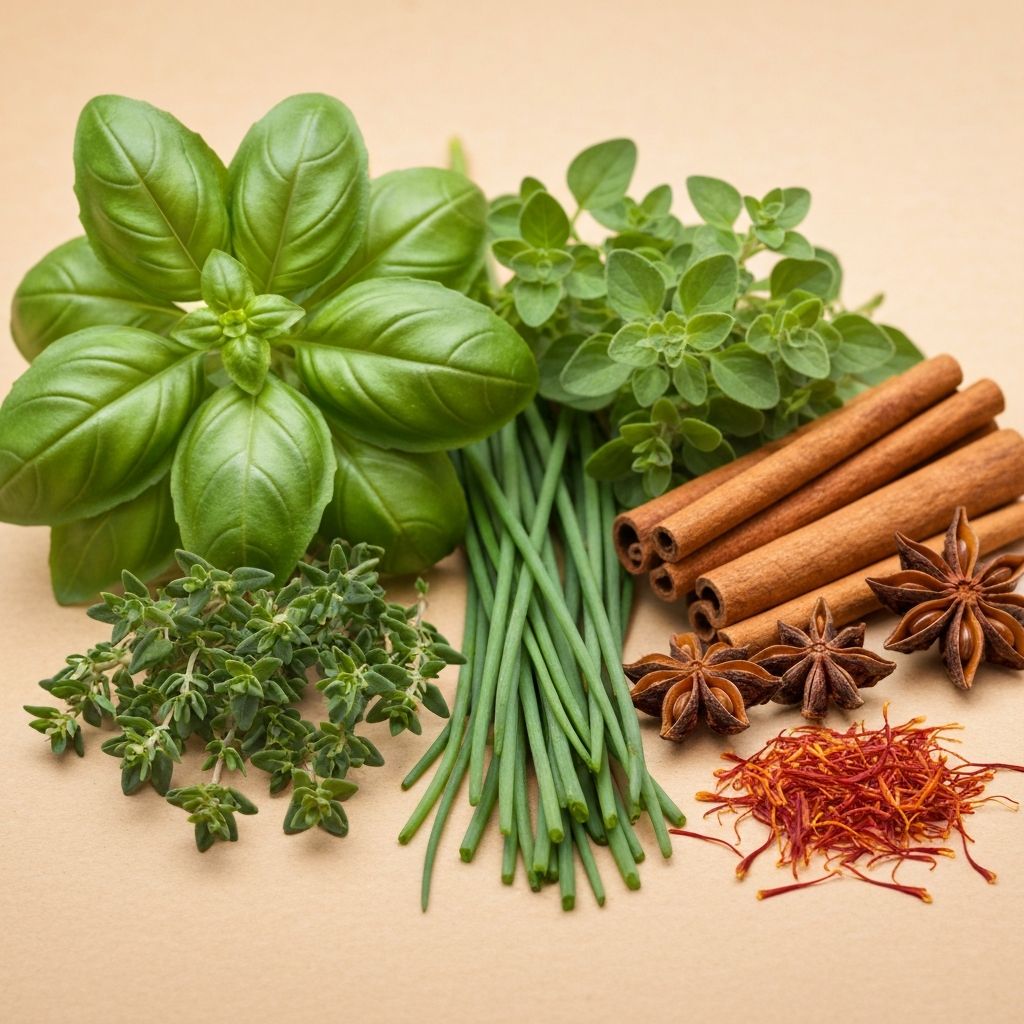
Reactive oxygen species accumulate during metabolism and stress. Phytochemicals donate electrons, neutralizing these damaging molecules and protecting cellular lipids, proteins, and DNA.
Chronic inflammation contributes to numerous diseases. Phytochemicals modulate inflammatory mediators—reducing cytokines and inflammatory markers—through receptor activation and pathway inhibition.
Phytochemicals influence enzyme expression and activity. Sulforaphane, for example, upregulates Phase II detoxification enzymes, enhancing the body's capacity to neutralize and eliminate xenobiotics.
Certain phytochemicals serve as substrates for beneficial bacteria, promoting specific microbial populations and supporting overall microbiota function and diversity.
Humans cannot absorb many dietary phytochemicals intact. Instead, intestinal bacteria metabolize these compounds, creating breakdown products that humans absorb and utilize. This microbial processing is essential: the biological activity depends on microbial capacity to process the dietary substrate.
This creates an important feedback loop: dietary phytochemicals feed specific bacterial populations that metabolize them, selecting for those bacteria through direct substrate availability. This relationship suggests that phytochemical diversity in diet promotes microbial diversity.
Conversely, diets low in phytochemical diversity may fail to support the bacterial populations necessary for optimal phytochemical processing, reducing the bioactivity of consumed compounds and potentially favoring pathogenic populations.
Estimated number of phytochemical compounds in plant foods
Percentage of polyphenols dependent on microbial metabolism for absorption
Recommended vegetable and fruit daily intake for phytochemical diversity
Plant pigmentation directly reflects phytochemical content. Different colors indicate different compounds:
Consuming a diverse color spectrum ensures phytochemical diversity. Monochromatic diets miss the complementary phytochemical benefits of varied colors.
Phytochemical availability changes with food preparation. Heat can degrade heat-labile compounds (some vitamins, certain volatile compounds) but also increases bioavailability of others by disrupting cell walls and enhancing extractability. Lycopene bioavailability increases significantly with tomato cooking.
Raw, cooked, fermented, and processed preparations all change phytochemical profiles. No single preparation method maximizes all compounds—varied preparation methods ensure access to different phytochemical arrays.